

Waterfront Home Options in Port Charlotte
AI Summary
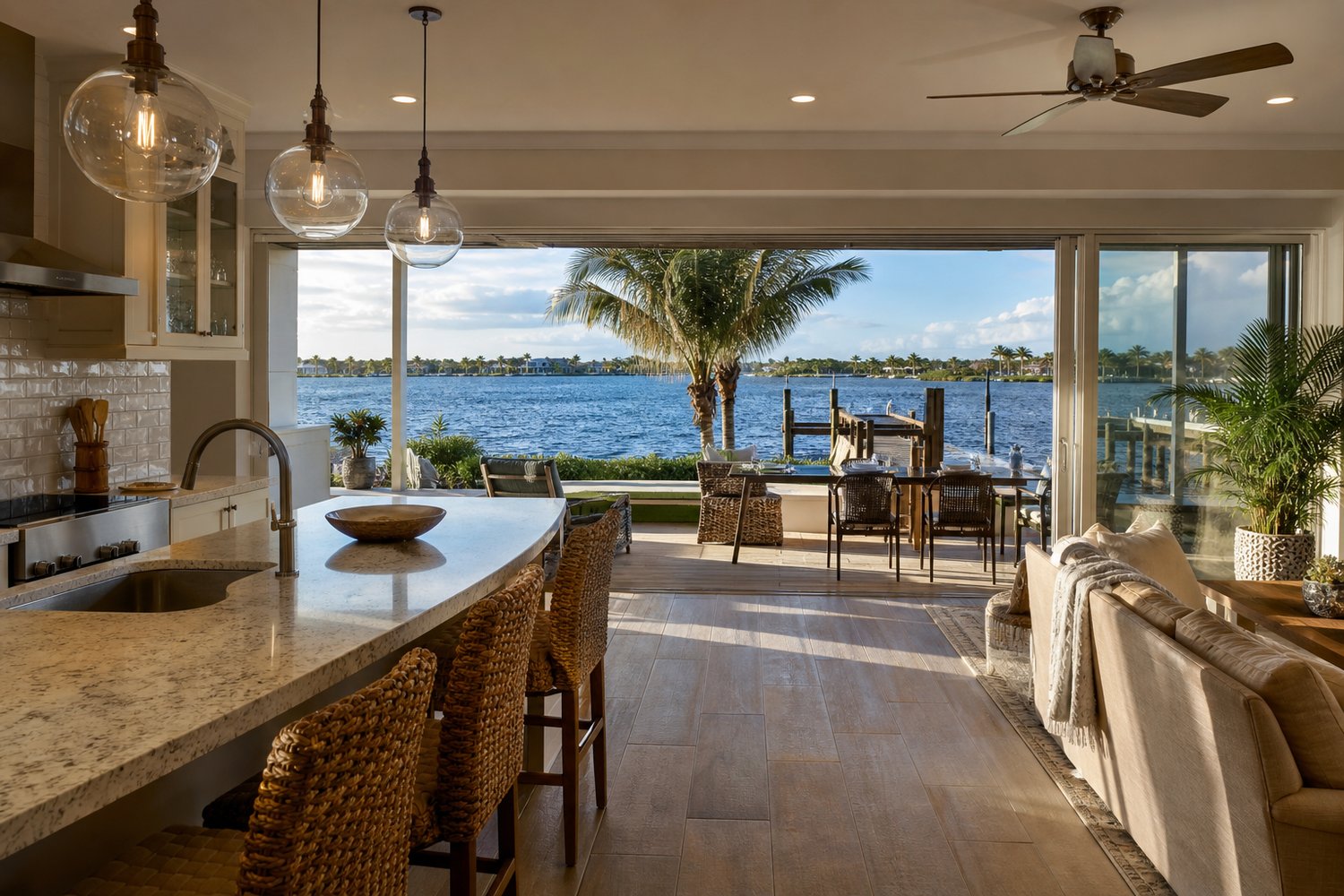
Waterfront homes in Port Charlotte sit on canals, creeks, the Peace or Myakka rivers, Charlotte Harbor, or Gulf-facing areas, and each type changes boating distance, bridge clearance, depth, and wind and wave exposure. Check the exact address’s flood zone and base flood elevation in Charlotte County’s Forerunner platform, and inspect the seawall, dock, pilings, and boat lift separately from the house. Bill Bambrick, a REALTOR® with LPT Realty serving Port Charlotte, North Port, Venice, Englewood, and Sarasota, helps buyers compare waterfront homes on those address-level facts.
What waterfront home options in Port Charlotte are worth comparing?
The waterfront home options in Port Charlotte range from protected canal homes to properties on creeks, rivers, Charlotte Harbor, or Gulf-facing areas, and they are not interchangeable. The waterway, the route to open water, and the flood zone matter more than the word “waterfront” in the listing. Compare those first, then compare the house.
Key Takeaways
- Charlotte County includes the Peace and Myakka rivers, Charlotte Harbor, the Gulf of Mexico, and numerous creeks, and the county says these waterways create differing flood vulnerabilities from one property to the next.
- You can look up any Port Charlotte address’s flood zone, base flood elevation, and available elevation certificates through the county’s Forerunner platform before you write an offer.
- V zones involve wave action above 3 feet, and Coastal A zones involve roughly 1.5 to 3 feet, so both deserve a specialist’s review rather than a quick glance at a map.
- The seawall, dock, pilings, and boat lift age and fail on their own schedule, separate from the house, so each needs its own inspection and its own questions.
- A canal home is only as useful as its route to bigger water, so confirm depth, bridge clearance, and tidal limits for the specific canal before you fall for the view.
Which home options in Port Charlotte fit how you’ll use the water?
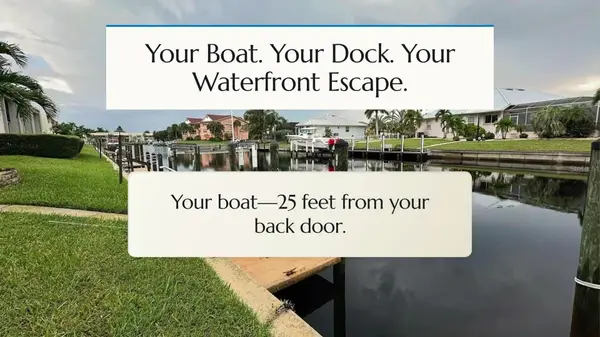
The honest answer is that it depends on the waterway, because “waterfront” covers very different properties here. A listing may front a canal, a creek, a river, Charlotte Harbor, or a Gulf-facing area, and each one changes boating distance, bridge clearance, tidal conditions, water depth, and exposure to wind and waves.
Charlotte County publishes GIS layer information that helps you identify the named waterway behind a specific address. Use it to confirm the route from the backyard to larger navigable water instead of trusting the listing description.
| Waterfront type | What to confirm | Why it matters |
|---|---|---|
| Canal | Route to larger water, bridge clearance, depth at low tide | Determines how quickly, and whether, you can reach open water by boat |
| Creek | Named waterway, water depth, tidal limits | Shallow or tidal stretches can limit which boats you can use |
| River (Peace or Myakka) | Exposure to wind and waves, flood zone for the address | Larger water can mean a different flood and wave profile than a canal |
| Charlotte Harbor or Gulf-facing | Flood zone designation, structural and elevation requirements, storm exposure | Faster open-water access comes with more exposure to wind and waves |
Is Port Charlotte better for boating, fishing, or kayaking?
It can be good for all three, but the right property depends on which one you’ll actually do most. If you want open-water boating, direct harbor or Gulf-facing exposure shortens the trip but adds wave and wind exposure. A protected canal may suit you better if you prefer a quieter setting for fishing or paddling.
Be honest with yourself about the weekend routine. A home with a long run to open water looks great on paper and feels different when you’re hauling gear on a Saturday morning.
I also compare these homes against other Southwest Florida waterfront options. If you’re weighing a lower-maintenance setup, my breakdown of a Punta Gorda waterfront condo with a private dock shows how that route differs from owning a single-family canal home.
How do you check flood risk on a Port Charlotte waterfront home?
Start with the address itself, not the neighborhood. Charlotte County’s flood information page points homeowners and real estate professionals to the Forerunner platform, where you can look up a property’s flood zone, base flood elevation, and any available elevation certificate.
On my North Port showings, the same questions come up almost every time: what flood zone is it in, is it on city water or a well, and has this property ever flooded. I answer those up front, and the questions matter even more once there’s water behind the house.
What do the flood zones mean for your purchase?
- Special Flood Hazard Areas (A and V zones): The county describes these as areas with a 1% annual chance of flooding. Federally backed mortgages generally require flood insurance on properties in these zones.
- V zones: These account for wave effects exceeding 3 feet.
- Coastal A zones: Wave action may range from 1.5 to 3 feet, and the county says construction there must be regulated to the highest V-zone standards.
Those designations can affect structural requirements, elevation, insurance underwriting, and whether an addition or enclosure is realistic. If you’re picturing a screened lanai extension or a second-story deck, ask early.
Why does the elevation datum matter?
Charlotte County says its flood maps and related elevation information use the NAVD88 vertical datum. If you’re comparing an older survey or elevation certificate against the current base flood elevation, confirm both use the same datum before drawing any conclusions about the home’s flood exposure.
Do not rely on a listing’s “not in a flood zone” line. Verify it, and then talk to an insurance agent and your lender about what it means for your coverage and your loan. Your specific numbers depend on the property, so this is a conversation to have before you’re under contract.
Do Port Charlotte waterfront homes require flood insurance?
Not every waterfront home does, but a federally backed mortgage generally requires it when the property sits in a high-risk zone. Even where it isn’t required, I’d get a quote early so the monthly cost is in your budget before you commit.
What should you inspect on a waterfront home besides the house?
Inspect the waterfront infrastructure as its own project, because it often has a different age, ownership arrangement, permit history, and replacement timeline than the residence. A clean home inspection tells you nothing about what’s happening at the water’s edge.
Here’s the list I’d run through on any canal or waterfront property:
- Seawall: Look for cracks, leaning, voids behind the wall, and signs of erosion.
- Dock and pilings: Check for rot, corrosion, loose hardware, and storm damage.
- Boat lift: Ask how old it is, whether it works, and what it’s rated to carry.
- Electrical service at the dock: Water and electricity need a qualified review.
- Drainage and grading: Check how water moves around the lot after heavy rain.
- Canal condition: Confirm depth and look for silting or debris near your dock.
- Evidence of storm damage: Ask what happened, what was repaired, and who did the work.
Ask the seller for permits and repair records on the seawall, dock, and lift, and bring in a qualified marine or structural professional where the condition is unclear. If a seawall needs major work, that changes the real price of the home, and it belongs in your negotiation.
What does ownership add after closing?
Waterfront living adds recurring responsibilities: dock and seawall upkeep, corrosion control, storm preparation, and flood-risk planning. Hurricane season runs June through November, so a plan for the boat, the lift, and loose items on the dock is part of owning here. Your real estate attorney handles the closing itself, but the maintenance plan is something you build with your inspectors and insurance agent.
How do I think about price and market data?
A citywide average tells you very little about a canal home. The REALTOR® Association of Sarasota and Manatee Q3 2026 report, released October 16, 2026, covers Sarasota and Manatee counties, not Charlotte County, so it’s useful background for the region but not a pricing tool for Port Charlotte canals.
For a specific waterfront home, I run closed-sale MLS data for the same type of waterway and street, then adjust for the seawall, dock, and elevation. Pool and non-pool differences matter here too. My post on what makes waterfront homes in Port Charlotte worth more goes deeper on what moves value.
What are the alternatives nearby?
Venice, Englewood, Nokomis, and Sarasota each offer a different coastal setting north of Port Charlotte. North Port is generally more inland, and Bradenton and Lakewood Ranch are farther north in Manatee County. Compare the actual waterfront type, boating access, and flood exposure rather than the city name.
If you’re also thinking about beach access instead of boat access, read my take on coastal living near Sarasota and Port Charlotte beaches. November through April is peak buyer activity, so if you’re touring during that window, line up your insurance and lender conversations before you book showings.
The best waterfront home options in Port Charlotte are the ones where the waterway, the flood data, and the infrastructure all check out for the way you plan to use the water. If you want a short list built on those three checks, I’ll pull it together with you.
You can read what past clients say about working with me on Google and Zillow.
Frequently Asked Questions
What types of waterfront homes are available in Port Charlotte?
Port Charlotte waterfront homes can sit on canals, creeks, rivers, Charlotte Harbor, or Gulf-facing areas. Each type differs in boating distance, water depth, bridge clearance, and exposure to wind and waves. Confirm the named waterway for any address before you tour.
How can I check whether a Port Charlotte waterfront home is in a flood zone?
Look up the address in Charlotte County’s Forerunner platform, which shows the flood zone, base flood elevation, and any available elevation certificates. Then confirm the details with your insurance agent and lender, because the zone affects both coverage and loan requirements.
Which Port Charlotte canals provide boating access to Charlotte Harbor or the Gulf?
It varies canal by canal, so there’s no single answer for the whole area. Use the county’s GIS layers to identify the specific waterway, then verify the route, depth, bridge clearance, and tidal limits to open water. I’ll help you confirm access for any home you’re considering.
What should I inspect before buying a canal-front home in Port Charlotte?
Inspect the house, and inspect the seawall, dock, pilings, boat lift, dock electrical, drainage, erosion, and canal condition separately. Ask for repair records and look for evidence of past storm damage. These items often have different ages and replacement needs than the home.
Ready to compare Port Charlotte waterfront homes?
The right waterfront home comes down to the waterway, the flood data, and the condition of everything at the water’s edge. I’ll pull the address-level details so you’re comparing real properties, not listing photos.
Let’s continue the conversation. And because your next chapter matters, let’s talk.
Comparing waterfront homes in Port Charlotte?
Send me the addresses and I’ll pull the waterway, flood zone, and seawall details so you’re comparing real properties, not listing photos.
Let’s talk about your searchAbout William Bambrick
William “Bill” Bambrick is a licensed REALTOR® with LPT Realty, operating as Bambrick Sells Florida, serving North Port, Venice, Wellen Park, Englewood, Port Charlotte, and the Sarasota/Bradenton area of Southwest Florida. His focus is luxury and pool homes at $600,000 and above, with deep knowledge of new-construction communities like Wellen Park and Toscana Isles, and he values homes through closed-sale MLS analysis of the specific subdivision or zip code.
LPT Realty · 941-218-9961
Equal Housing Opportunity. William Bambrick, licensed REALTOR® with LPT Realty. This article is general information, not legal, tax, or financial advice. Confirm your own numbers with your real estate attorney, tax advisor, or lender.
Categories
- All Blogs (491)
- Aging Parents (3)
- Best Realtor (2)
- boating (1)
- Buyer Tips (9)
- Buyers Tips (53)
- Closing Costs Explained (2)
- Condos (4)
- Downsizing (9)
- Equity (5)
- FAQ (20)
- Financing/Mortgage (8)
- First Time Home Buyers (19)
- Florida homeowners insurance (1)
- Fun Items (6)
- Heron Creek (1)
- Home Remodeling (8)
- homes near golf courses (6)
- Investing (4)
- Just Listed (1)
- Living In North Port (7)
- Local Housing Market (72)
- luxury homes (3)
- Making Offers (10)
- Moving (9)
- Multigenerational (5)
- New Construction (6)
- Nokomis Florida (2)
- Nokomis Housing Report (3)
- North Port Florida (12)
- North Port Housing Report (14)
- Pool Homes (7)
- Port Charlotte Florida, (4)
- Pricing my home (1)
- Probate / Divorce / Foreclosure (2)
- Punta Gorda, FL (2)
- Remodeled Venice Home for Sale (1)
- Rent (2)
- Rotunda West (2)
- Sellers (60)
- south gulf cove (2)
- Thing to Do in the Area (9)
- Venice FL Golf Communities (1)
- Venice FL Homes for Sale (1)
- Venice Home fenced yard (1)
- Venice Housing Report (12)
- Venice, Florida (14)
- Waterfront Homes (5)
- Wellen Park (15)
- What are estoppel Fees (1)
Recent Posts

"Molly's job is to find and attract mastery-based agents to the office, protect the culture, and make sure everyone is happy! "